
Flexible Packaging Quality Control & Inspection
Comprehensive testing for seal strength, material reliability, barrier performance, and leakage prevention—helping your custom packaging bags protect products, extend shelf life, and meet B2B quality requirements.
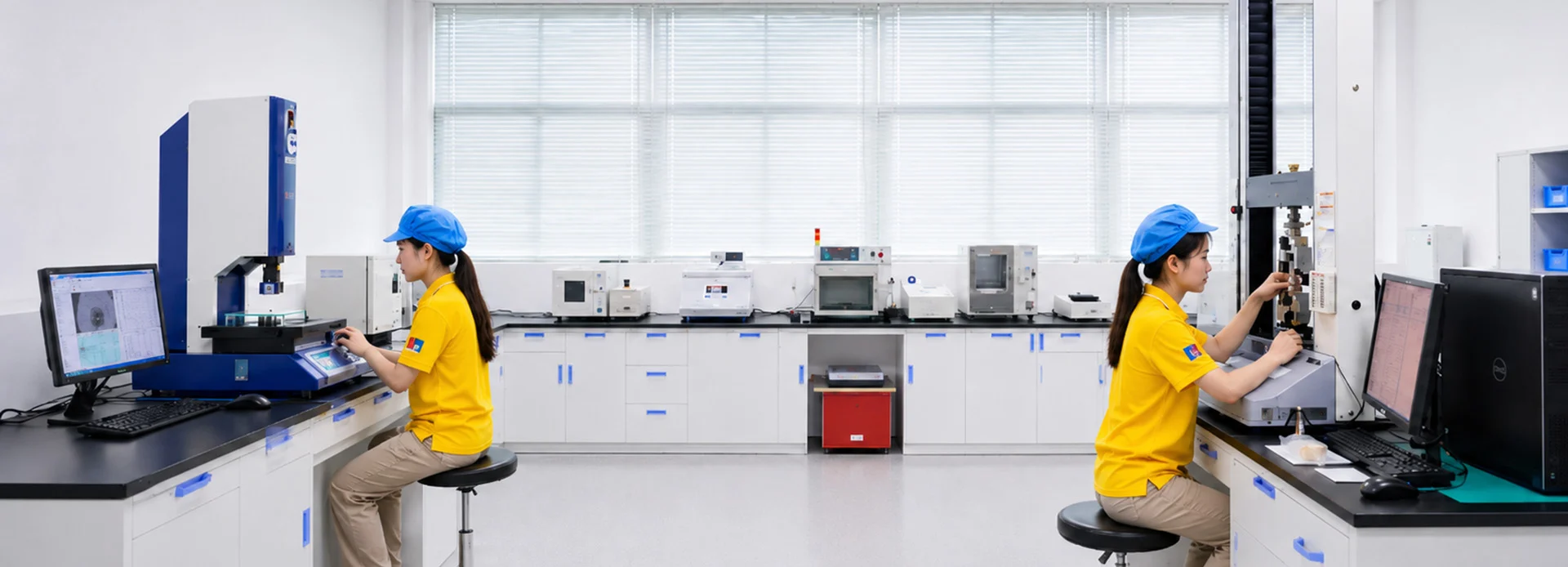

Why Flexible Packaging Inspection Matters
Flexible packaging is the first protective barrier between your product and the outside environment. For food, coffee, pet food, powder, liquid, and supplement packaging, poor pouch quality can lead to leakage, weak seals, moisture ingress, oxygen exposure, contamination risks, and inconsistent shelf appearance. At Honghai Packaging, our inspection process helps verify seal integrity, material strength, barrier performance, pouch dimensions, and final appearance before shipment—so your custom packaging bags can better protect products, extend shelf life, and maintain brand reliability.
Packaging Inspection Checklist
Essential quality checks to ensure product safety, performance, and shelf-ready appearance.
Visual Inspection
Seal Integrity
Material & Dimensions
Functional Features
Packaging Performance Test Methods
Laboratory testing methods used to verify seal strength, material durability, barrier protection, and packaging reliability before shipment.
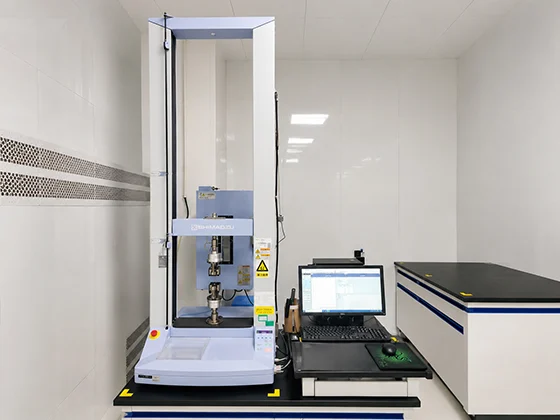
Tensile & Seal Strength Testing
Measures tensile strength, elongation, seal strength, and lamination bonding to evaluate whether the pouch can withstand filling, handling, and transportation stress.Benefit: Helps reduce risks of tearing, weak seals, and package failure during use.
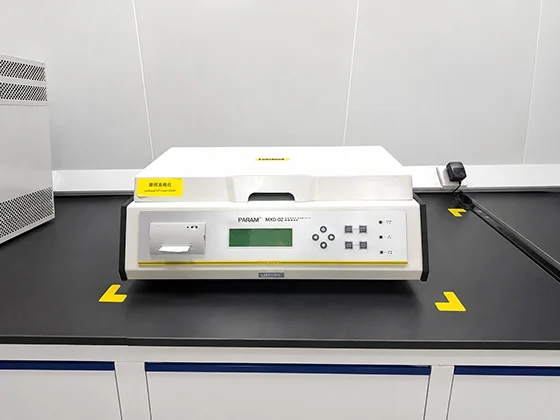
Coefficient of Friction Testing
Evaluates the sliding performance of packaging films to ensure smooth feeding, stacking, and running on automatic filling or packaging lines.Benefit: Improves packing line compatibility and reduces film feeding problems.
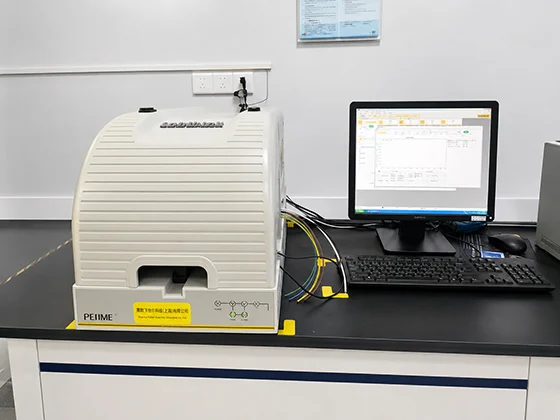
Barrier Transmission Testing
Tests moisture and oxygen barrier performance, including WVTR and OTR, to evaluate the film’s ability to protect products from humidity and oxidation.Benefit: Helps maintain freshness, aroma, texture, and shelf life.
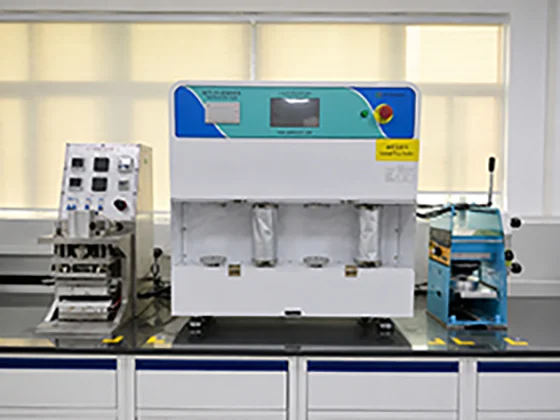
Flex Crack Resistance Testing
Assesses how the packaging film performs under repeated bending, folding, or flexing during transportation and handling.Benefit: Helps reduce pinholes, cracking, and barrier failure during transit.
Essential Packaging Film Metrics
Key material performance indicators help determine whether your custom flexible packaging can protect products from moisture, oxygen, handling stress, and shelf-life risks.
GSM
GSM measures the density and weight of packaging film. A suitable GSM helps balance film strength, flexibility, and material efficiency, ensuring the pouch can withstand filling, handling, and transportation.
Benefit:Helps improve bag strength, reduce breakage risk, and maintain stable packaging performance.
WVTR
WVTR measures how much water vapor passes through the packaging film. Lower WVTR means better moisture protection, helping keep dry food, coffee, powder, pet food, and supplements fresh for longer.
Benefit:Helps prevent moisture ingress, caking, texture changes, and shelf-life reduction.
OTR
OTR measures how much oxygen passes through the packaging film. Lower OTR helps reduce oxidation and protects products that are sensitive to oxygen, such as coffee, snacks, pet food, nuts, and nutrition products.
Benefit:Helps maintain freshness, aroma, color stability, and longer product shelf life.